
Interior Wildlife Rehabilitation Society (IWRS)

welcome

How can we help?

Our facility in Summerland is government licensed to care for native small mammals, reptiles and aquatic birds. We are not open to the public to drop off animals directly – to protect hospitalized animals from stress while recovering. We focus on rehabilitating and releasing aquatic species responsibly. 

Have a common Okanagan wildlife question?
Go to our Found Wildlife section.
Get expert advice on human wildlife conflict prevention in our beyond rehabilitation section. For species that are not part of our rehabilitation program, we still give you guidance on how to help the animal (e.g. bear cubs, coyote pups, bobcat kittens, deer, raccoons, songbirds, raptors, invasive species).

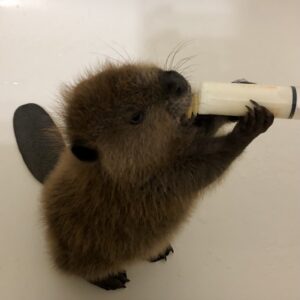
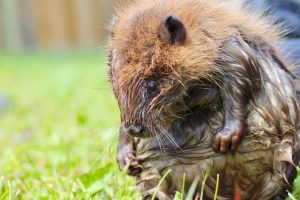
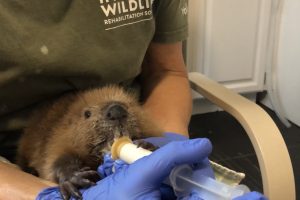
We provide expert education about how to live with our native wildlife. We also collect data from our patients whenever possible and are expanding our network of professional partners constantly. Our beaver program includes participation in wetland restoration and live webcams streaming from our beaver enclosures.

We specialize in aquatic wildlife care

FOUND WILDLIFE?

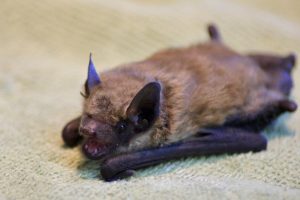
We have species-specific housing and resources available to care the following native small mammal species in Summerland: red and northern flying squirrels, chipmunk, marmot, skunk, porcupine, beaver, muskrat, otter, bat, cottontail rabbit, badger. 

Email us BEFORE collecting a small mammal (unless it is severely injured, in which case you can collect it and place it in a cardboard box lined with a towel). Then await an email answer with further directions from us. We may assist with live-trapping injured beaver, porcupine, skunk or badger if the animal is an adult.

We may stabilize bobcat kittens, coyote pup or bear cubs for transfer to other licensed wildlife centres. 

We are NOT PERMITTED to care for:
deer and raccoon. 

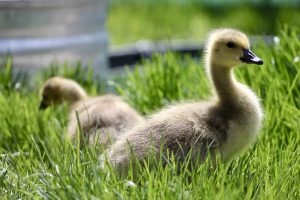
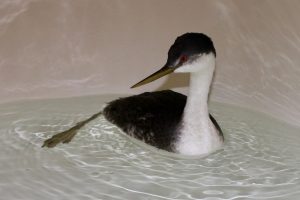
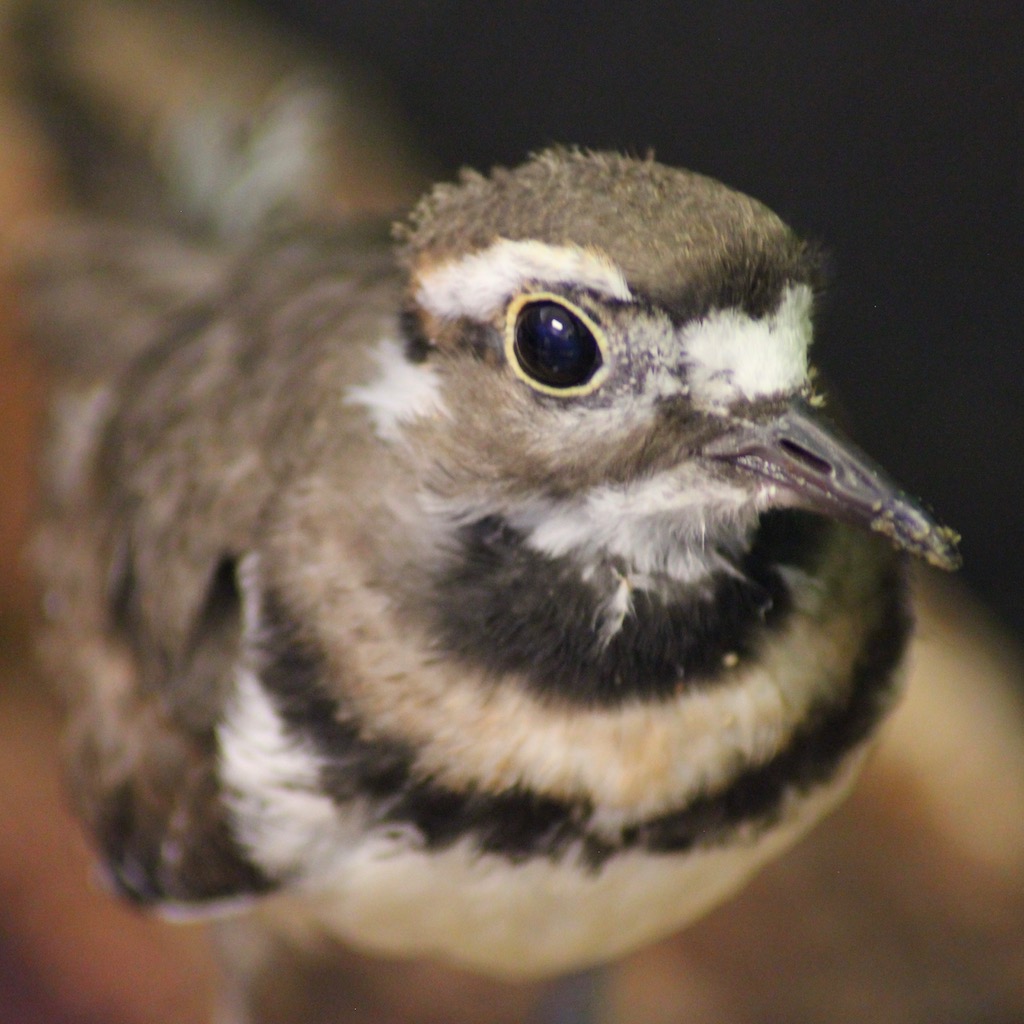
Aquatic birds include waterfowl, waders, diving birds and shorebirds including the following species: herons, swans, pelicans, kingfishers, loons, grebes, killdeer, sandpipers, gulls, coots, ducks and geese.

Please email us for directions BEFORE collecting the aquatic bird (unless it is severely injured, actively bleeding, bones sticking out of the skin etc., in which case collect right away and place it in a cardboard box lined with a towel). Then await an email answer so we can coordinate transport to us.

We may assist with capturing adult large aquatic birds such as swans or herons.

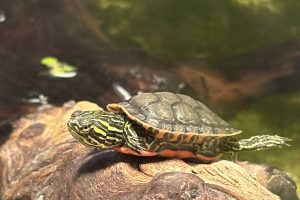
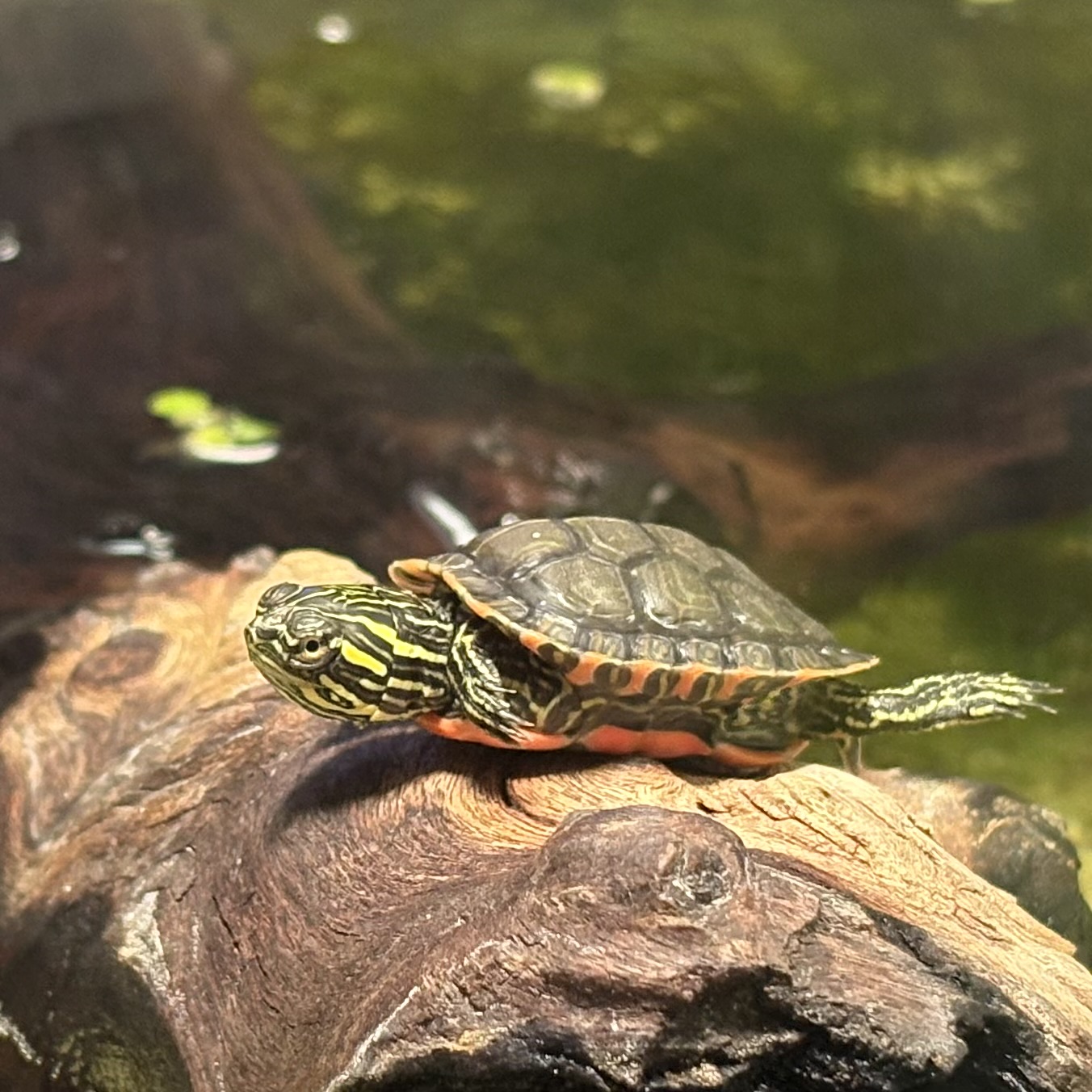
We have housing and resources to care for reptiles including Western Painted Turtles, native snakes and lizards.

Injured reptiles can be collected and placed in a cardboard box lined with a towel. Then await an email answer with further directions from us. Then await an email answer so we can coordinate transport to us.

get help for injured wildlife

Choose one of the following options:

FOUND AN AQUATIC BIRD, TURTLE OR SMALL MAMMAL THAT NEEDS HELP?

Email us:

1) Your location
2) A picture of the animal
3) Why human care is needed?
4) Have you captured/contained the animal already?
5) Can you bring the animal to a drop-off location or do you need us to coordinate transport?

Note: We do NOT rehabilitate songbirds,
please contact the BC Wildlife Park in Kamloops:
250-573-3242 ext. 230

HAVE A CRITICAL WILDLIFE EMERGENCY? REPORT WILDLIFE INCIDENTS TO THE BC GOVERNMENT

Call the RAPP hotline:
1.877.952.7277

For reporting wildlife involving public safety speak with a provincial Conservation Officer. This includes cougar, wolf, bear, coyote and deer questions. We will assist once we have permission to do so by the COS.

WANT TO ARRANGE WILDLIFE DROP-OFF?

Call one of our local veterinary partners:

Our veterinary partner clinics may be available to receive pre-arranged wildlife drop-offs for our facility during their respective business hours. Once confirmed with us, you may contact one of our veterinary partners. If none of our vet partners are available, make alternative arrangements with us via email.

HAVE A GENERAL WILDLIFE QUESTION?
Call the BC SPCA hotline:
1.855.622.7722

For info on different animal species, including general urban wildlife questions. Get advice on wild, domestic and farm animals across BC.

We are federally & provincially licensed to care for and release certain wildlife species.
We are also a member of the following professional organizations:

Click on each organization’s logo to find out more

Interior Wildlife’s team of veterinary and wildlife professionals operates the only year-round wildlife rehabilitation facility operating under federal as well as provincial permits – our focus is on aquatic wildlife in the southern interior of British Columbia. Our facility is purpose-built to care for small mammals such as beavers, otters, porcupines, badgers, bats, skunks and marmots. We also have housing and resources for reptiles such as snakes and turtles, as well as aquatic birds including herons, swans, kingfishers, loons, grebes, killdeer, gulls, coots, geese and ducks. We release all our wildlife patients when they are ready to go. We do not keep permanent wild residents in captivity. 

Find us on Facebook, Instagram, YouTube OR PATREON

NEED Help with "nuisance beavers"?

Eva Hartmann is a licensed wildlife rehabilitator, registered veterinary technician and beaver wetland specialist. She is currently a trainee in the Beaver Institute’s Beaver Corps program. Eva also studies wetland delineation and assessment at UBCO. 
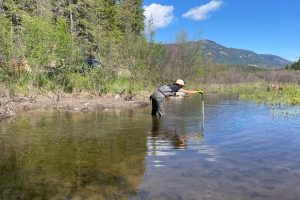
She is looking for a local site to install pond levelers or culvert exclusion fences in order to finish her program, graduate, and actively practice human-beaver coexistence strategies in BC’s Okanagan Valley.

Beavers that continue expanding their pond and raising the water level so high that nearby human structures such as roadways get flooded, can be a challenge. That’s where a pipe and cage combination can be installed through the dam: a custom made “pond leveler“. 
Costs to the property owner are significantly less than ongoing dam removal with lethal control, or beaver relocation

From a beaver’s perspective, a culvert is basically hole in an otherwise almost perfect dam, so it is understandable they will try to plug it. When they do, flooding and expensive road damage can occur. A special kind of culvert exclusion (aka “diversion fence”) can be built on the upstream side of a culvert to protect it from beavers plugging it.

THANK YOU KINDLY FOR YOUR SUPPORT !!!

Wildlife rehabilitation in BC is NOT funded by the government

Our sponsors & supporters:

How to Donate

We are funded by private donations, grants and sponsorships.
As as registered charity, we can provide tax receipts for your donation!

Via e-transfer

E-transfer us directly and 100% of your donation goes to us: donate@interiorwildlife.ca
Via PayPal

Click on the picture to get re-directed to our PayPal account for secure credit card payment
Via Canada Helps

Click on the picture to get re-directed to our charity account with CanadaHelps.org
killdeer

Via Snail Mail

Send a cheque to our office:
PO Box 988 V0H1Z0, Summerland, BC, Canada

WE ARE HUMBLED AND GRATEFUL TO BE ABLE TO PROMOTE CO-EXISTENCE WITH WILDLIFE ON
UNCEDED SYILX OKANAGAN NATION TERRITORY